Synamodec Gorse Lathe - Handcrafted Experimental Drone Synthesizer
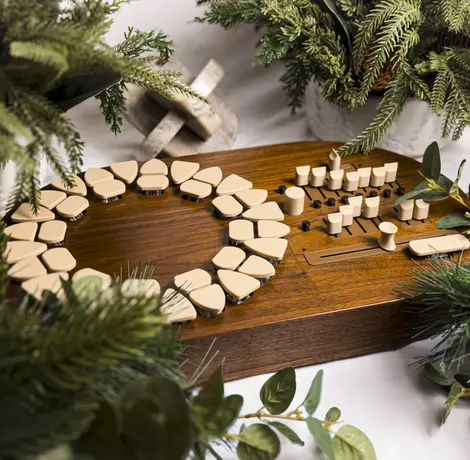
We're stepping into drone and chaos zone again. The Gorse Lathe from Synamodec is one of those instruments that doesn't promise you clean leads or punchy basslines - instead, it hands you a canvas where noise and tone blur into something alive and unpredictable. If you've been hunting for a synthesizer that feels more like sculpting sound than programming it, this might be your kind of strange.
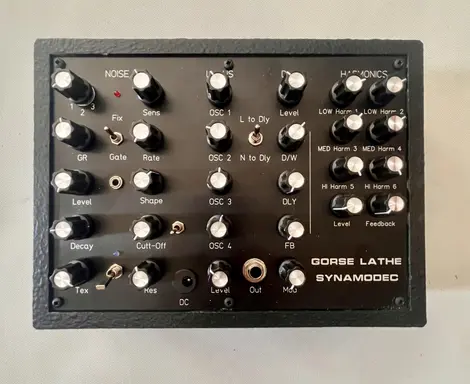
Created by Miguel García Blanca under the Synamodec name, the Gorse Lathe is handcrafted and calibrated by ear, which already tells you this isn't about precision or repeatability. Every unit has its own character, and there are no presets to fall back on. You work with what's in front of you, right now, in the moment.
Two Engines, One Breathing Circuit
At the core of the Gorse Lathe sit two sound generators that interact more than they operate independently.
The noise engine gives you three distinct sources: white noise, filtered white noise, and grain noise. Each can be shaped through dedicated filter controls with cutoff and resonance, while a TEX control manages texture density and coarseness. The noise can run continuously or respond to an external gate trigger, giving you control over when chaos enters the mix.
Then there's the LEGUS oscillator cluster - four interconnected oscillators whose frequencies dance through constructive and destructive interference. The result isn't your typical sawtooth or square wave. It's something that shifts and breathes, moving between stable tones and unstable patterns depending on how you push the controls.
Routing and Processing
The Gorse Lathe features a routing switch that lets you customize signal flow between two pathways: Noise to Delay, or Legus to Harmonics. This gives you flexibility in how you shape the raw sound before it hits the output.

The delay section includes input level, time, feedback, and dry/wet balance controls, with an LFO adding modulation for organic instability. It's not a pristine digital delay - expect warmth, drift, and character.
The harmonics module works as a six-band equalizer with feedback control that can push the system into self-oscillation. Independent controls for low, mid, and high frequencies let you carve out resonances or let them run wild.
Living in the Moment
What makes the Gorse Lathe unusual is how every control affects the others. Tweak one parameter and the whole system shifts. There's no memory, no recall, no going back to that sweet spot you found ten minutes ago. It's an instrument for explorers who embrace imperfection and enjoy watching sound evolve in real time.
The sonic territory ranges from slow, breathing drones to metallic rhythms, from dusty textures to thunderous noise. You won't find traditional bass, lead, or pad sounds here - this is an instrument for those who want to dig into the raw essence of sound itself.
The Gorse Lathe is available now through Synamodec and retailers like Noisebug. A downloadable manual comes with the unit, though given its experimental nature, much of the learning happens through direct interaction with the knobs and switches.
More News
Notes